The impact of genomics for families

Genomics is a necessary and developing part of healthcare, and it can provide life-changing results for families. It is, however, important to remember that it doesn’t always provide the answers that we were expecting, and sometimes leaves us without an answer at all.

Watch these films to hear two families’ experiences of genomic testing and the difference it has made for them.

Beskida and Arvin: The power of a genetic diagnosis


Claudia and Trent: The diagnostic odyssey


The diagnostic odyssey

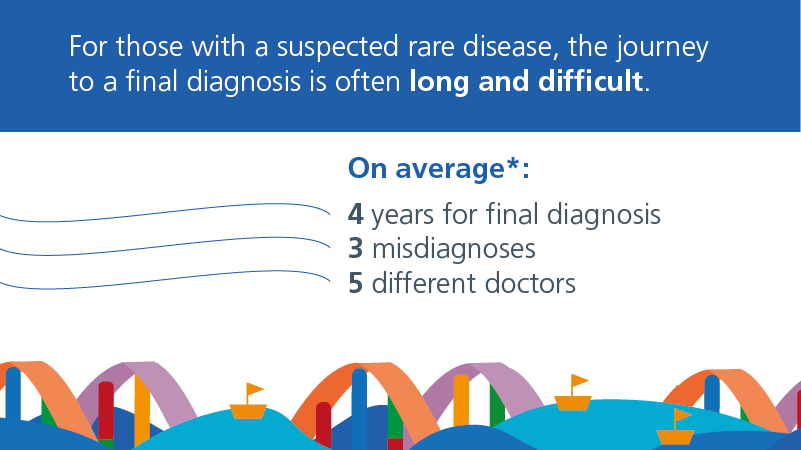
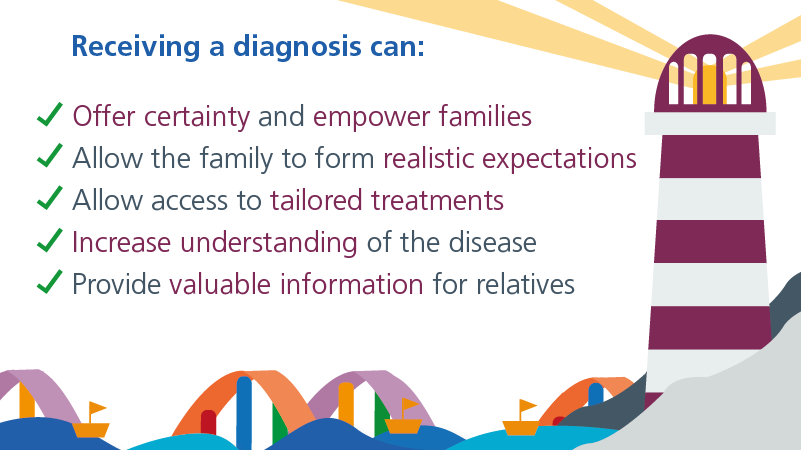
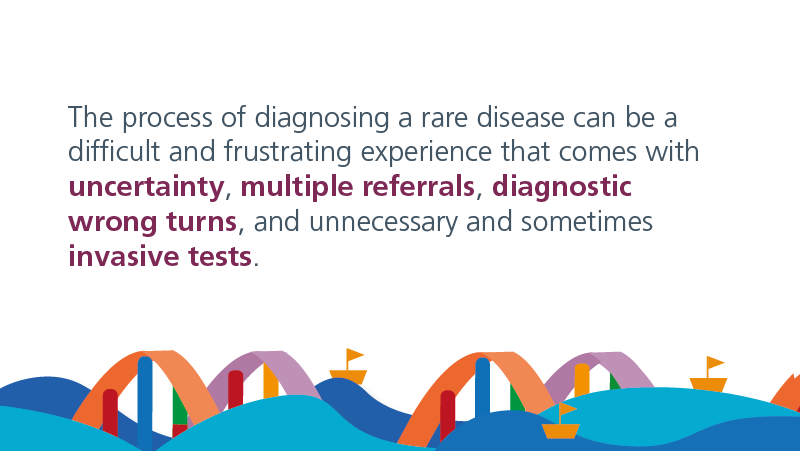
Every family that undergoes genomic testing will have a different journey: some are relatively short with a clear path to diagnosis, others are much longer and more complex, taking years or remaining unresolved. Genomics is playing an increasingly important role in shortening these journeys and ensuring that more families receive a diagnosis more quickly.

Click through the carousel to learn more about how a diagnostic odyssey can impact a family. Then, keep reading below to find some practical examples in our case study, and find out how you can take action to make a difference.

Touchpoints in health visiting: Meet Lan

In this case study, we get to know Lan – a four-year-old child – and his family, to learn about the potential health visitors have for being involved early in a child’s life, and how genomics can make all the difference.

About the family

Lan is the first-born child to his parents. He is very much a wanted and planned baby. Lan’s parents reside with Lan’s father’s parents. They have a large extended family locally and abroad who support each other.

The antenatal home visit

Lan’s mum was supported antenatally by her midwife and the pregnancy progressed well with no complications. Both parents received an antenatal home visit by a health visitor at 34 weeks’ gestation.

This provided an opportunity for Lan’s parents and the health visitor to meet and talk about them becoming parents for the first time. It also offered Lan’s parents the chance to hear about the health visitor role in supporting them and provided time ahead of Lan’s arrival for an assessment by the health visitor of any potential need.

More information about the antenatal screening and diagnostic tests is available on our midwifery webpage.

The new birth visit at home

Lan arrived at term. He and his mother established breastfeeding well and midwifery colleagues discharged them at 14 days. The health visitor conducted a new birth visit at home on day 16. Baby Lan was thriving, he was feeding well, gaining weight appropriately, was responsive and had no detected inherited conditions from the newborn blood spot screening test, taken at day 5. The health visitor left satisfied that baby Lan and his parents were well.

Our midwifery webpage has more information about neonatal screening and examinations, including the newborn and infant physical examination (NIPE), newborn hearing (NHSP) and newborn blood spot screening (NBS) programmes.

Early neonatal visits and checks

The next contact Lan’s family had with a health visitor was the 6-week neonatal visit.  Lan remained exclusively breastfed, was gaining weight appropriately, meeting different developmental milestones expected for his age – such as reduced head lag, longer periods awake and being more responsive to carers – and the health visitor was satisfied with his presentation and development. Lan’s parents also reported to be well, coping with and enjoying their newborn son.  This family was assessed by the health visitor to require the universal offer of health visiting.

6-8-week neonatal check with the GP took place for Lan and his mother just prior to his primary immunisations at eight weeks with no concerns.

Monthly child health clinic visits

Lan was brought by his mother and sometimes extended family members for monthly weight reviews at their local child health clinic for the first six months. He continued to make good progress in all areas of development.

When he was nine months old, both parents came to the child health clinic and asked to see the health visitor they had seen for all early home visits.  They voiced their concerns that recently Lan did not seem as bright as he once was, that he seemed unable to do some of the things he had once done and they wondered if he was having some vacant episodes. The health visitor acknowledged their concerns and recognised that a busy child health clinic was not a suitable venue to discuss this fully. The health visitor offered to visit the family home and carry out a development review and to talk through any concerns the parents had.

Home visit with development review

At the home visit, Lan’s parents shared their concerns, describing what Lan had been able to do until recently and demonstrated what he was now unable to do. They demonstrated their distress and worry to the health visitor that there might be something wrong with their baby. The HV was honest and said she shared their concerns about Lan, based on their report and her observations.

At this home visit, the health visitor carried out a developmental review and documented the findings from this, which did suggest that Lan was not meeting all developmental milestones for a baby of nine months, and that this was a change from previous presentations.

The HV explained to Lan’s parents that there was a need for them to refer Lan to local paediatric specialists for further care and review. The parents agreed and consented to this process and to involving the GP in sharing information about this referral.

The health visitor took the opportunity to ask the parents for a bit more information about their families and if they were aware of any other family members who had a similar experience to Lan. The health visitor explained that this information would be helpful for the paediatrician and any other specialists looking after them. They were a little surprised by this request initially but agreed to discuss this further with Lan’s grandparents who they reside with, as well as Lan’s mother’s parents who live abroad.

The health visitor explained that the paediatrician might refer Lan to other professional colleagues too, and outlined how their confidential information would be protected. Finally, she reassured them that, as their health visitor, she would continue to support the family.

Referral to community paediatrics

Lan is now 4 years old. He was seen by a community paediatrician following the referral by the health visitor, and remains under their care. The community paediatrician conferred with other paediatric specialists and, following initial blood tests, Lan was referred to the local clinical genetics department. It was confirmed through genome sequencing, which took some time to process, that there was a genomic cause for Lan’s regression and delay. He has a rare form of epilepsy, which is caused by a variant in a gene.

Ongoing support and care

Throughout this time, Lan and his family have kept the same health visitor who has:

  • supported the family, offering them regular contact;
  • liaised with specialists to understand Lan’s condition better, acting as the lead professional;
  • advocated for Lan and his long-term needs;
  • signposted the family to helpful organisations and support;
  • been proactive in understanding Lan’s educational requirements; and
  • helped Lan’s parents navigate the education system.

Last updated on 3rd September 2025