Genomics in practice
Taking a family history
A family history is one of the most powerful tools at your disposal as a health visitor. It can offer invaluable insights, building a rich foundation for a potential future referral or revealing a key clinical clue.
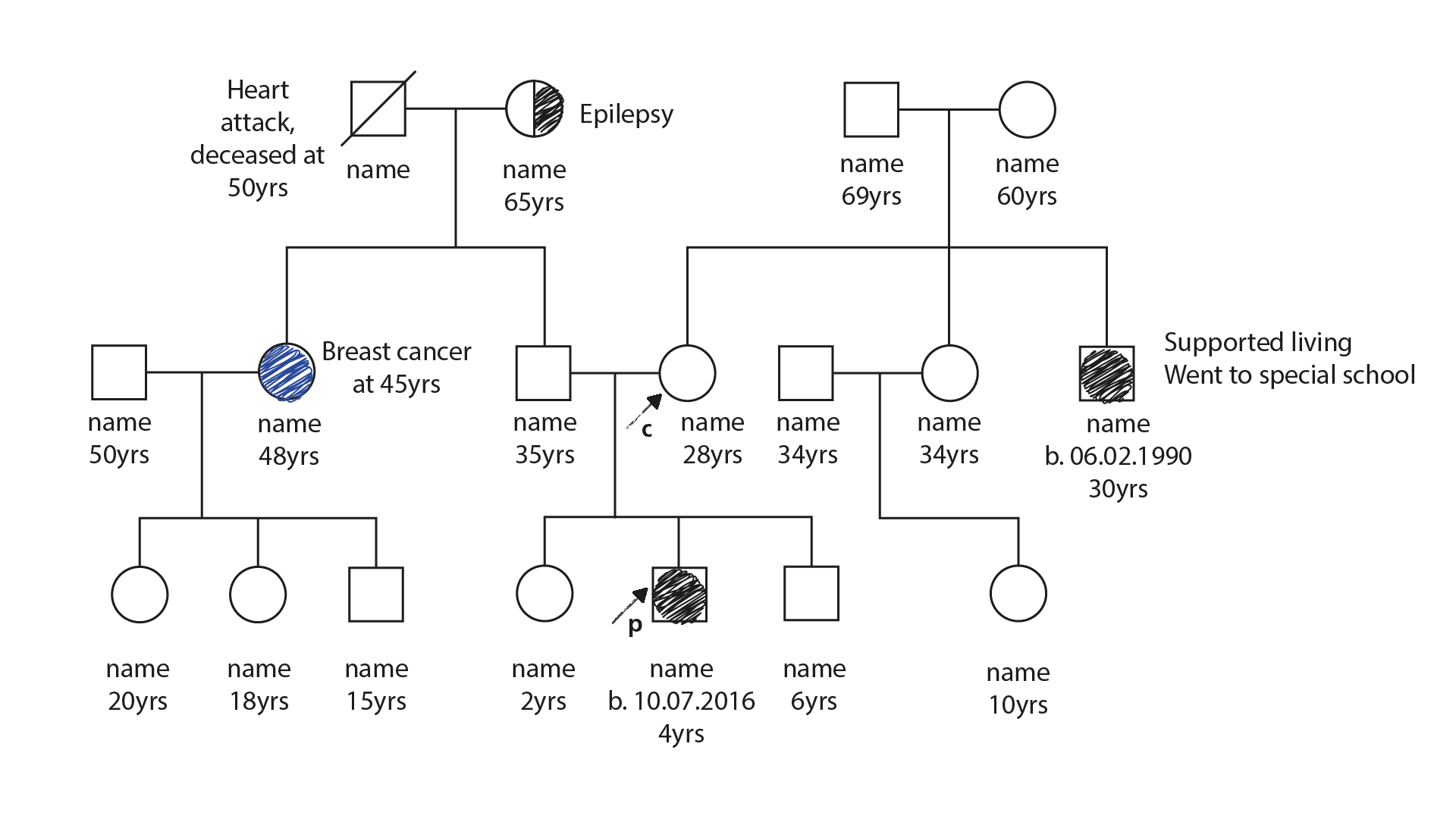
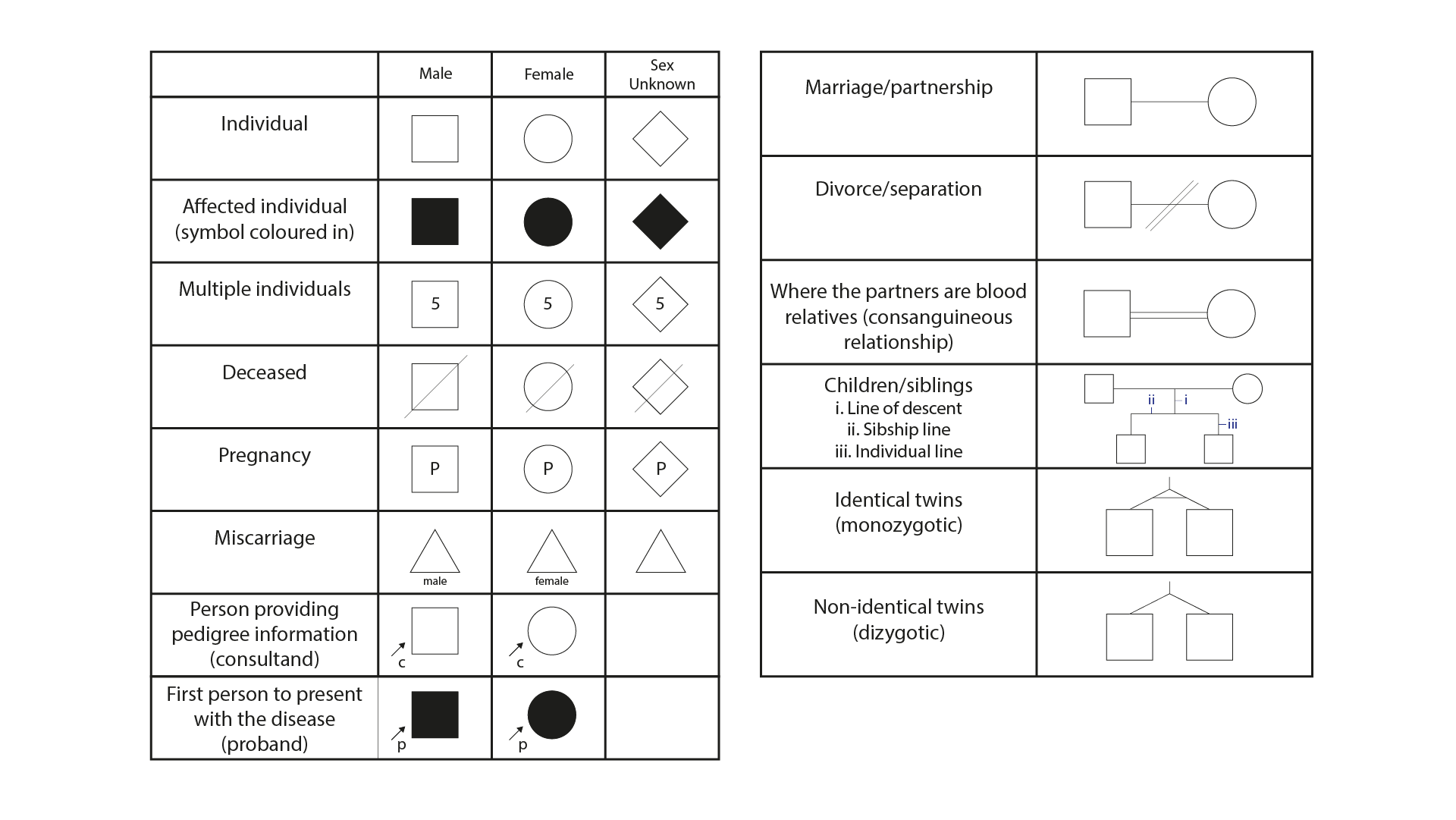
One way to effectively capture a family history is to draw a genetic family tree, or pedigree, which can be read by other health professionals involved in the family’s care – see our example drawing (don’t forget to click the arrow to see the key).
To learn how to take and draw a genetic pedigree, see our Taking and Drawing a Family History webpage, which has a range of resources to try out for yourself. More information specifically tailored to health visitors is available in this iHV GGP eXtra resource.
Identifying genomic red flags
Learn about some of the ways you can make a difference to families by providing a crucial link to genomic services and care.
It is estimated that 1-in-17 people will be affected by a rare condition at some point, which means that over three million people are affected at any one time in the UK. Rare diseases are individually rare but collectively common.
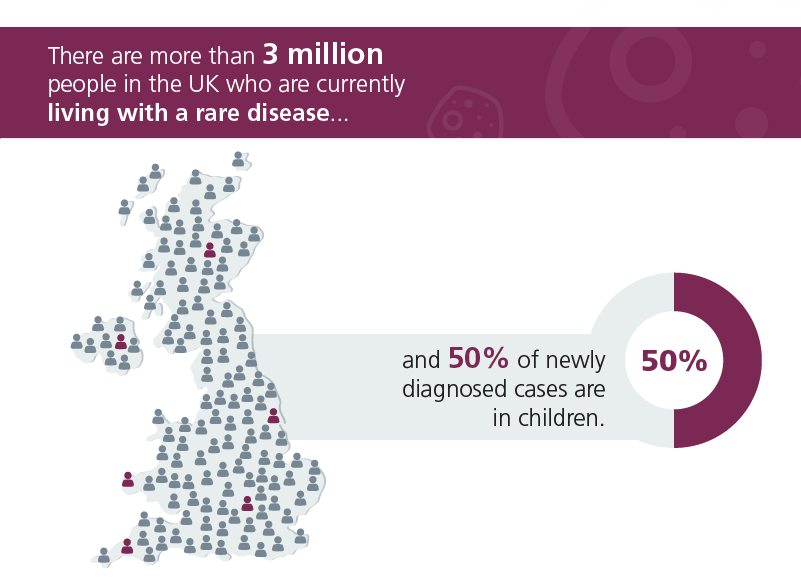
Think about your case load – how many families do you currently look after, and how many are affected by a rare disease? Is it 1-in-17? You could be the one to identify clinical clues and begin the journey towards a diagnosis with them.
You can learn more by visiting our Rare Disease Education Hub.
Supporting families
Think ‘genomics’
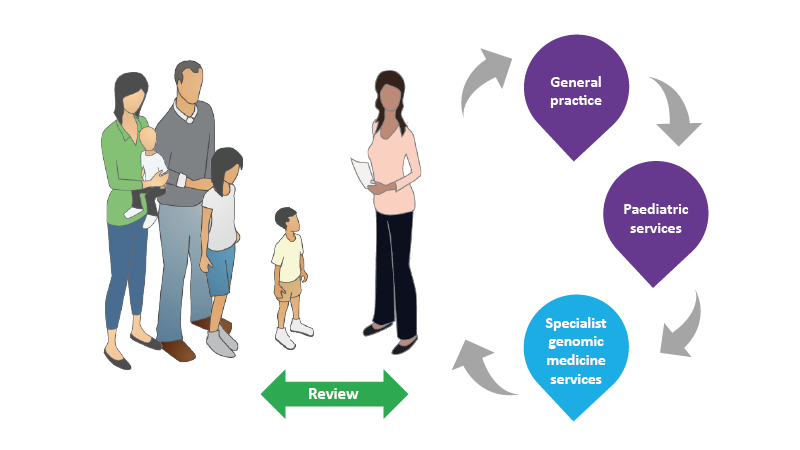
Rather than needing to know everything or taking on a lot of complicated information about genes, DNA and how it all works, focus on bringing a foundational understanding of genomics and associated clinical clues to your visits, and remember to follow up as appropriate.
Why not start by thinking about how these examples could have a genomics link:
- If a new diagnosis is made for a child in your care, how this might impact other family members? Who might be at risk, or would benefit from knowing? Does this condition run in the family, and has a detailed family history been taken?
- If a parent mentions that they are trying for a baby but are experiencing recurrent pregnancy loss, could there be a genomic cause?
- A family who already have a child with a confirmed genetic diagnosis mention that they want to try for another baby. If they have questions about whether their second child could be affected, could you help to answer them
Return and review
Genomics is a rapidly advancing field and technology is introduced all the time, meaning that inconclusive genomic tests done previously may not tell the full story. Remember that families’ needs can change quickly too, so it can be helpful to check in and make sure that you support them with any questions they might have about testing or management.
More information and guidance about your role and how you can upskill can be found in this resource from the iHV: The role of health visitors in genomics
What should I do next?
Now you’ve read through the information on this webpage, why not try and plan some further learning at a pace and level to suit you?
- A short reflective exercise – how might some families on your case load benefit from a genomics conversation?
- Learn more about the impact of genomics on families with rare conditions by visiting a charity webpage and reading some case studies: there are many, but why not try Rare Disease UK, Genetic Alliance UK, or Unique.
- Structured learning: work through the five GPP eXtra documents.
- Focused learning: try one of our courses, like this one about taking a family history.
Most of all, be curious about genomics in health visiting. Be inquisitive and keep learning. Genomics is changing all the time and so are the ways you can make life-changing differences to families’ lives.
Last updated on 3rd September 2025